The Evolution of the Modern Workspace
The way people approach work has changed dramatically over the last decade. Remote jobs, hybrid offices, and flexible schedules have transformed the traditional idea of a workspace. Instead of static desks and rigid office layouts, many professionals now seek environments that encourage comfort, productivity, and long-term well-being.
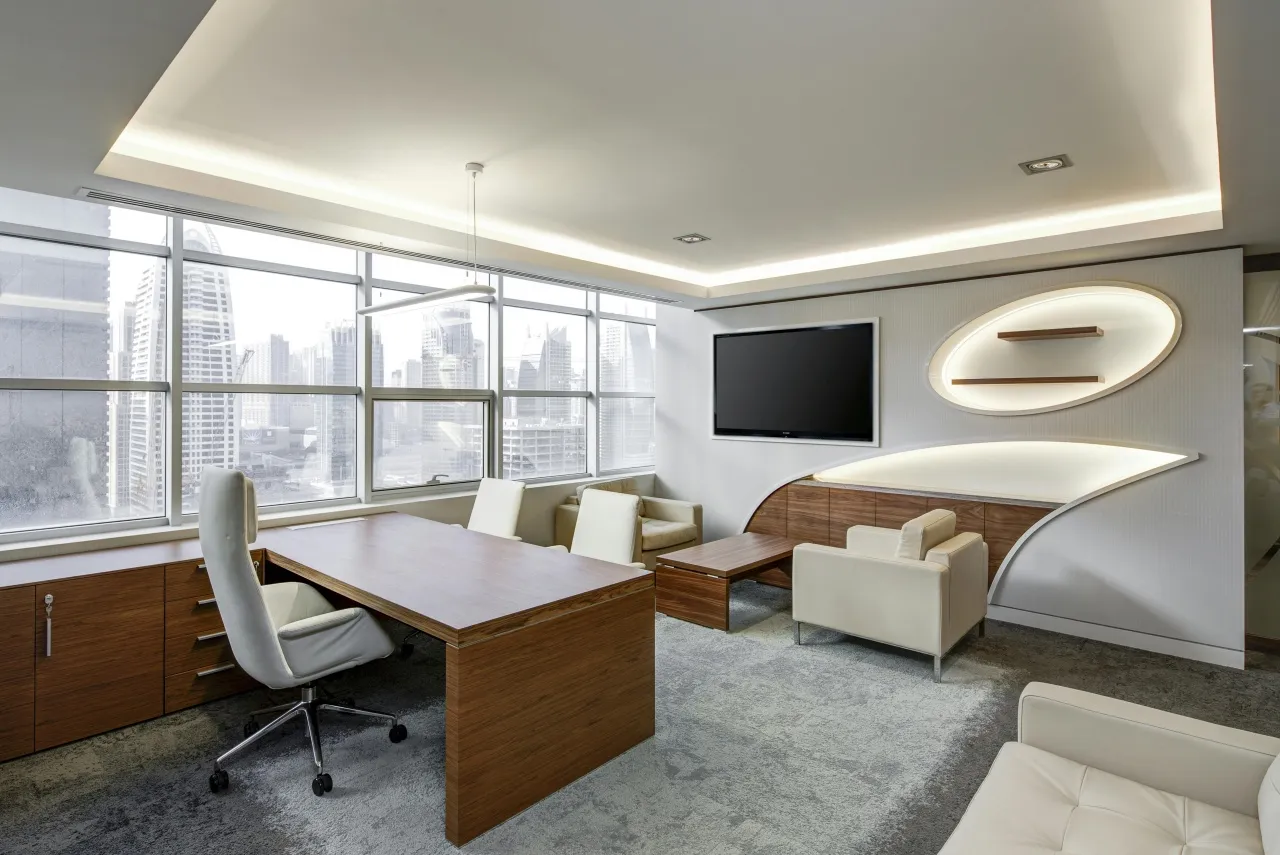
At the center of this shift is the growing awareness that physical surroundings can influence both focus and health. Sitting for long hours has been linked to back discomfort and fatigue, leading many workers to rethink how their workspace is designed. As a result, modern offices—both at home and in corporate environments—are increasingly built around adaptability and ergonomic design.
©Pexels
The Rise of Ergonomic Furniture
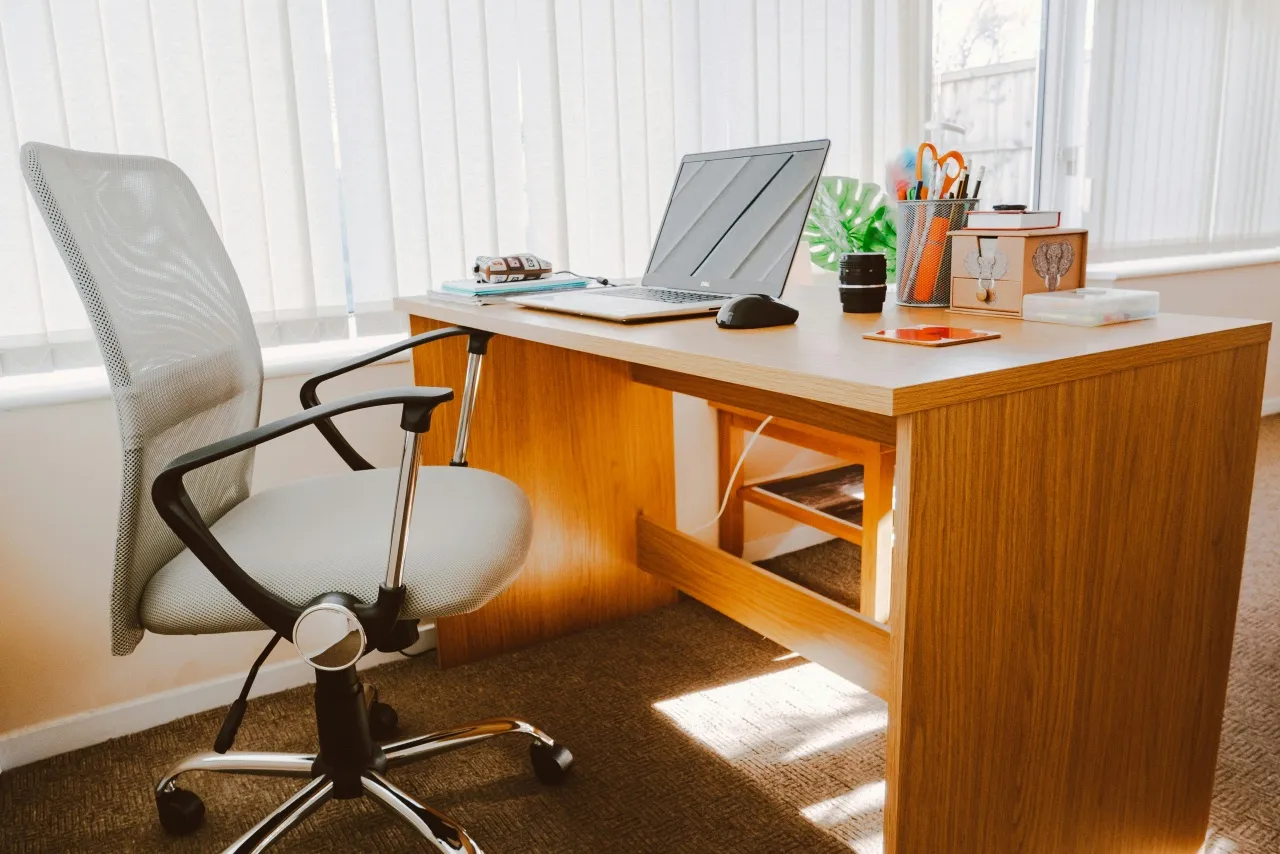
One of the most noticeable changes in recent years is the growing popularity of adjustable and ergonomic furniture. Desks that allow users to alternate between sitting and standing are no longer rare; they have become a common feature in many modern workplaces. Platforms such as height-adjustable desk solutions illustrate how workspace furniture has evolved to support healthier work habits and flexible environments.
Ergonomic furniture focuses on supporting natural posture and reducing strain during long periods of work. Many adjustable desks are designed with stability and smooth height adjustment in mind, making it easier for users to switch positions throughout the day. Companies that develop these solutions often emphasize durable materials, careful engineering, and practical design so that workspaces remain both functional and comfortable. According to customer reviews and company information, some manufacturers specialize in modular desk systems that prioritize stability and long-term usability for both home offices and professional environments.
©Pexels
Working From Home: A Permanent Shift
The global expansion of remote work has also changed how people think about office furniture. What was once a temporary desk in the corner of a room has now become a fully developed workspace for many professionals.
Home offices often need to balance functionality with the aesthetics of living spaces. People are looking for furniture that blends into their homes while still providing the practical features of a professional office. Adjustable desks, cable management systems, and modular storage options help create organized work areas without overwhelming the room.
Another important factor is adaptability. As work habits change throughout the day—from focused tasks to video meetings or creative brainstorming—having a flexible workspace can make a noticeable difference. Furniture that adjusts easily supports these shifts without requiring a complete rearrangement of the room.
Productivity Through Comfort
Comfort and productivity are closely linked. When a workspace supports natural movement and good posture, it becomes easier to maintain concentration for longer periods. Small improvements—such as proper desk height, better monitor positioning, or the ability to stand during part of the workday—can gradually reduce fatigue.
Many users also report that alternating between sitting and standing helps maintain energy levels during demanding work sessions. Instead of remaining in a single static posture for hours, the body stays more active and engaged. Over time, this simple flexibility can contribute to a more sustainable work routine.
Looking Ahead: The Future Workspace
As technology and work culture continue to evolve, the design of workspaces will likely keep changing as well. Smart desks, integrated lighting, and even AI-assisted workspace management are already being explored by some manufacturers.
However, the underlying goal remains the same: creating environments that help people work effectively while maintaining their well-being. Whether in a corporate office or a small apartment workspace, thoughtful design and ergonomic solutions will continue to play an important role in shaping how we work in the years to come.